
Acetylcholine: Function, Brain Role, Memory, Deficiency & How to Increase It
Learn what acetylcholine is, how it supports memory, learning, muscle control, and the nervous system. Understand symptoms of low acetylcholine and natural ways to improve cognitive health.
Acetylcholine (ACh): Overview
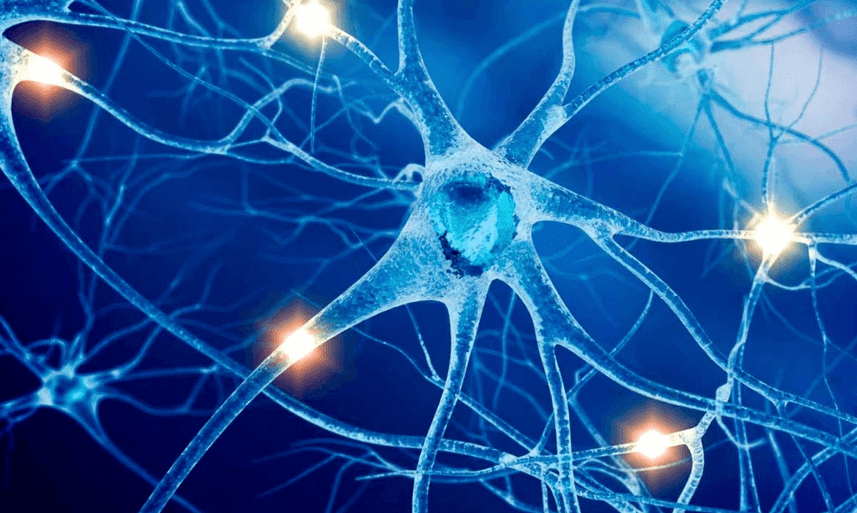
Acetylcholine is one of the most important neurotransmitters in the human body. It transmits signals between nerve cells and plays a major role in muscle activation, memory formation, attention, learning, and autonomic body functions such as heart rate and digestion.
It is formed from choline (obtained from diet) and acetyl-CoA. Nerve cells that release or respond to acetylcholine are called cholinergic neurons.
Where Acetylcholine Works in the Body
| System | Function of Acetylcholine |
| Neuromuscular Junction | Stimulates skeletal muscle contraction |
| Central Nervous System (Brain) | Supports learning, memory, attention, neuroplasticity, and REM sleep |
| Parasympathetic Nervous System | Slows heart rate, increases digestion, stimulates gland secretions |
| Sympathetic Nervous System (Limited) | Regulates sweat glands and some vascular responses |
Functions of Acetylcholine
1] Muscle Activation
ACh is released by motor neurons to activate skeletal muscles, enabling all voluntary movements.
2] Learning, Memory & Cognitive Function
High ACh levels improve:
- Memory storage & recall
- Focus & sustained attention
- Neuroplasticity (learning new skills)
Low levels are linked to:
- Alzheimer’s disease
- Attention-Deficit Disorders
- Cognitive decline with aging
3] Parasympathetic Body Regulation (Rest & Digest)
Acetylcholine:
- Slows heart rate
- Widens blood vessels (vasodilation)
- Enhances digestion and gut motility
- Increases bladder contraction and urinary function
4] Sleep Regulation
ACh levels rise during REM sleep, supporting memory processing and dreaming.
What Happens When Acetylcholine is Low?
Common Signs of Low ACh Levels:
- Memory problems
- Poor concentration
- Brain fog
- Muscle weakness
- Fatigue
- Mood instability
Associated Conditions:
- Alzheimer’s disease
- Myasthenia gravis
- Attention disorders (ADHD-like symptoms)
Increasing Acetylcholine Naturally
Dietary Sources of Choline
Include:
- Eggs (especially yolk)
- Beef liver
- Fish
- Soybeans
- Nuts and seeds
- Whole grains
Supplements that Increase Acetylcholine
| Supplement | Function |
| Alpha-GPC | Increases brain choline directly |
| Citicoline (CDP-Choline) | Enhances memory and focus |
| Huperzine-A | Prevents breakdown of ACh |
| Bacopa Monnieri | Supports cognition and synaptic repair |
| Omega-3 DHA | Improves brain cell communication |
Lifestyle Factors
- Adequate sleep
- Mental stimulation
- Aerobic exercise (increases brain acetylcholine activity)
Substances That Reduce Acetylcholine
These may decrease ACh levels or block receptors:
- Anticholinergic medications (certain antihistamines, antidepressants, motion sickness drugs)
- Botulinum toxin (Botox)
- Nicotine overuse (causes receptor desensitization)
- High stress and cortisol
Acetylcholinesterase Inhibitors (Medical Use)
Drugs that increase ACh by preventing its breakdown:
- Donepezil
- Rivastigmine
- Galantamine
These are commonly used in Alzheimer’s disease treatment.
For Detailed Guides and Health Articles Visit: https://healthcaretipshub.com/

Other Articles