




Attention Deficit Disorder: Symptoms, Causes, Treatment & Daily Life Support
Learn about attention deficit disorder in children and adults, including symptoms, causes, diagnosis, treatment options, and practical support strategies for daily life.
Attention Deficit Disorder: The Unfocused Mind in Children and Adults
Attention deficit disorder (ADD), now more commonly included under the broader diagnosis of attention-deficit/hyperactivity disorder (ADHD), is a neurodevelopmental condition that affects both children and adults. While many people still use the term “attention deficit disorder,” modern medical practice usually classifies it under ADHD, particularly the predominantly inattentive type.
For many families, teachers, and adults living with this condition, the challenge is not simply “being distracted.” It can affect school performance, work productivity, emotional control, relationships, memory, and everyday responsibilities. A child may struggle to stay focused in class, while an adult may find it difficult to manage deadlines, organize tasks, or maintain consistent routines.
In this guide, we will explain the symptoms, causes, diagnosis, treatment options, and long-term impact of attention deficit disorder in a clear, practical, and medically responsible way.
What Is Attention Deficit Disorder?
Attention deficit disorder is a condition that affects how the brain manages focus, attention, impulse control, and executive function. Executive functions are the mental skills that help people plan, organize, remember instructions, regulate emotions, and complete tasks.
Although attention problems are common in many people from time to time, ADD is different because the symptoms are persistent, often begin in childhood, and can significantly interfere with daily life.
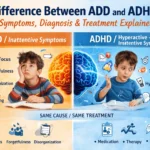
ADD vs ADHD: What’s the Difference?
In the past, doctors often used the term ADD when a person mainly had problems with focus and attention but did not show strong hyperactive behavior. Today, this is usually diagnosed as:
- ADHD, Predominantly Inattentive Presentation
- ADHD, Predominantly Hyperactive-Impulsive Presentation
- ADHD, Combined Presentation
So while many people still say “attention deficit disorder,” the updated medical term is generally ADHD.
How Common Is Attention Deficit Disorder?
Attention-related neurodevelopmental disorders are found in many countries and cultures around the world. They are considered one of the most commonly diagnosed childhood behavioral and developmental conditions.
Symptoms often become noticeable between ages 6 and 12, especially when a child enters school and is expected to sit still, follow instructions, and complete structured tasks. However, many people are not diagnosed until adolescence or adulthood.
In some cases, symptoms improve with age. In others, they continue into adult life and may affect career growth, finances, emotional well-being, and personal relationships.
Symptoms of Attention Deficit Disorder in Children and Adults
The symptoms of attention deficit disorder can look different depending on a person’s age, personality, environment, and support system. Some individuals mainly struggle with attention and organization, while others also experience impulsivity or emotional regulation issues.
Symptoms of Attention Deficit Disorder in Children
Children with attention deficit disorder may not always appear “hyper.” In many cases, they seem dreamy, forgetful, emotionally reactive, or easily overwhelmed.
Common symptoms in children include:
- Difficulty paying attention in school
- Easily distracted by sounds, movement, or thoughts
- Trouble finishing homework or tasks
- Frequently losing school supplies or personal items
- Forgetting instructions
- Poor listening skills
- Daydreaming or appearing mentally “elsewhere”
- Trouble organizing schoolwork or routines
- Emotional outbursts or tantrums
- Difficulty waiting their turn
- Interrupting conversations or activities
- Struggling to understand social cues
Some children may also show:
- Speech or communication difficulties
- Memory problems
- Frustration intolerance
- Mood swings
- Conflict with siblings, parents, or classmates
Because these behaviors can overlap with normal childhood development, a proper evaluation is important before assuming a child has ADD.
Symptoms of Attention Deficit Disorder in Adults
Many adults with attention deficit disorder were never diagnosed in childhood. Instead, they may have grown up feeling “lazy,” “careless,” “disorganized,” or “bad at managing life,” when the real issue was an untreated attention disorder.
Common symptoms in adults include:
- Difficulty focusing during meetings or conversations
- Frequently forgetting appointments or deadlines
- Starting many tasks but finishing few
- Chronic procrastination
- Poor time management
- Trouble staying organized at home or work
- Losing keys, phones, wallets, or documents
- Mental restlessness
- Difficulty handling stress
- Emotional sensitivity or irritability
- Trouble maintaining routines
- Impulsive decisions or spending
Adults may also experience:
- Low self-esteem due to years of struggle
- Job instability
- Relationship misunderstandings
- Difficulty with long-term planning
- Burnout from constantly “catching up”
What Causes Attention Deficit Disorder?
There is no single cause of attention deficit disorder. Experts believe it develops from a combination of genetic, neurological, and environmental factors.
Possible contributing factors include:
- Family history of ADHD or related conditions
- Differences in brain structure and function
- Imbalances in neurotransmitters such as dopamine
- Premature birth or low birth weight
- Exposure to alcohol, smoking, or toxins during pregnancy
- Early developmental stressors
What does NOT directly cause ADD?
There are many myths around attention disorders. On their own, these are not considered direct causes:
- Eating too much sugar
- Bad parenting
- Watching too much TV
- Being “undisciplined”
- Laziness
However, poor sleep, high stress, lack of routine, excessive screen time, and emotional difficulties can make symptoms worse.
How Attention Deficit Disorder Affects Daily Life
Attention deficit disorder is not just about school grades or concentration. It can affect almost every area of life if left unmanaged.
In Children, It May Affect:
- Academic performance
- Confidence and self-image
- Friendships and social development
- Emotional regulation
- Family relationships
In Adults, It May Affect:
- Work performance
- Career progression
- Financial management
- Household responsibilities
- Parenting
- Romantic relationships
- Mental health
People with untreated symptoms may feel constantly overwhelmed, misunderstood, or behind in life. This is one reason why early recognition and supportive treatment are so important.
Long-Term Consequences of Attention Deficit Disorder
Researchers continue to study the long-term outcomes of ADD and ADHD. Some people experience fewer symptoms as they grow older, while others continue to face significant challenges into adulthood.
Potential long-term consequences may include:
- Low academic achievement
- Workplace difficulties
- Increased risk of injuries or accidents
- Emotional stress and frustration
- Anxiety or depression
- Substance misuse in some individuals
- Trouble with social and family relationships
It is important to note that these outcomes are not guaranteed. Many children and adults with attention deficit disorder do very well when they receive the right support, structure, and treatment.
How Attention Deficit Disorder Is Diagnosed
There is no single blood test or brain scan that can confirm attention deficit disorder. Diagnosis usually involves a comprehensive clinical evaluation.
A proper evaluation may include:
- Medical and developmental history
- School or workplace behavior review
- Interviews with parents, teachers, or partners
- Standardized behavior rating scales
- Screening for anxiety, depression, learning disorders, or sleep issues
A healthcare professional may also rule out other conditions that can look similar, such as:
- Anxiety disorders
- Depression
- Learning disabilities
- Autism spectrum disorder
- Sleep disorders
- Hearing or vision problems
- Thyroid-related issues
This is why self-diagnosis alone is not enough. If symptoms are affecting life significantly, it is best to seek a professional assessment.
Treatment for Attention Deficit Disorder
The most effective treatment usually depends on the person’s age, symptom severity, health history, and daily challenges. In many cases, the best results come from a combination approach rather than a single solution.
1] Medication for Attention Deficit Disorder
Medication is commonly used to help improve focus, reduce impulsivity, and support emotional regulation.
Common types of medication include:
- Stimulant medications
- Non-stimulant medications
- In some cases, supportive medication for related symptoms like anxiety or sleep problems
One commonly known non-stimulant medication is Strattera, which may be prescribed in certain cases. However, medication should only be used under the guidance of a qualified doctor.
Important: Medication should never be started, changed, or stopped without medical supervision.
2] Behavioral Therapy and Counseling
Behavioral support can help both children and adults learn practical strategies to manage symptoms.
Therapy may help with:
- Time management
- Emotional regulation
- Impulse control
- Task planning
- Social communication
- Coping with frustration
For children, parent training and school-based support can also make a major difference.
3] Lifestyle and Daily Habit Support
Lifestyle changes do not “cure” attention deficit disorder, but they can improve daily functioning and reduce symptom intensity.
Helpful habits include:
- Maintaining a regular sleep schedule
- Eating balanced meals
- Limiting overstimulation and distractions
- Breaking large tasks into smaller steps
- Using planners, reminders, and checklists
- Creating structured routines
- Getting regular physical activity
- Reducing screen overload when needed
These strategies are often simple, but for someone with attention regulation difficulties, they can be surprisingly powerful.
Can Attention Deficit Disorder Be Cured?
Attention deficit disorder is not usually described as something that is “cured” in the traditional sense. Instead, it is often managed successfully.
Many people improve significantly with:
- Proper diagnosis
- Medication when appropriate
- Therapy and coping tools
- Strong family or workplace support
- Consistent routines
A child with attention deficit disorder can grow into a capable, successful adult. An adult diagnosed later in life can also improve dramatically once they understand how their brain works and receive the right support.
When to Seek Professional Help
You should consider speaking to a healthcare professional if attention-related symptoms are:
- Persistent for months or years
- Interfering with school or work
- Causing emotional stress
- Affecting relationships
- Leading to repeated mistakes, forgetfulness, or conflict
Early support can prevent unnecessary struggles and improve quality of life in both children and adults.
Final Thoughts
Attention deficit disorder is far more than occasional distraction or forgetfulness. It is a real neurodevelopmental condition that can affect focus, emotions, memory, and daily functioning across all stages of life.
The good news is that with the right diagnosis, treatment, and support, children and adults with attention difficulties can thrive. Whether the symptoms appear in a classroom, at home, in relationships, or at work, understanding the condition is the first step toward better management and a more balanced life.
If you or someone you care about is showing signs of attention deficit disorder, do not ignore the symptoms. Timely evaluation and personalized care can make a meaningful difference.
Frequently Asked Questions (FAQ)
1] What is the difference between ADD and ADHD?
ADD is an older term that is now generally included under ADHD, especially the inattentive type. ADHD is the modern medical diagnosis.
2] Can adults have attention deficit disorder?
Yes. Many adults live with symptoms of attention deficit disorder, and some are only diagnosed later in life.
3] What are the first signs of attention deficit disorder in children?
Common early signs include forgetfulness, poor focus, daydreaming, emotional outbursts, trouble following instructions, and difficulty completing tasks.
4] Is attention deficit disorder treatable?
Yes. Treatment often includes medication, behavioral therapy, structured routines, and practical daily coping strategies.
5] Can attention deficit disorder go away with age?
Some people experience fewer symptoms as they grow older, but many continue to have challenges into adulthood. With support, symptoms can often be managed very effectively.
6] Does poor parenting cause attention deficit disorder?
No. Attention deficit disorder is not caused by bad parenting. However, home routines and emotional support can influence how symptoms are managed.
Trusted health sources such as:


No Comment! Be the first one.