
Achilles Tendon Injury & Tendonitis: Symptoms, Causes, Treatment & Prevention
Learn about Achilles tendon structure, common injuries, tendonitis symptoms, causes, diagnosis, exercises, treatment, and prevention tips. Includes home care and medical options for recovery.
Achilles Tendon: Structure, Function & Injury Overview
The Achilles tendon is the largest and strongest tendon in the human body. It connects the calf muscles (gastrocnemius and soleus) to the heel bone (calcaneus). This tendon allows you to:
- Walk
- Run
- Jump
- Climb stairs
- Stand on your toes
Because it withstands high stress with every step, the Achilles tendon is prone to overuse injuries, inflammation, and tears.
What Is Achilles Tendonitis?
Achilles tendonitis (also spelled tendinitis) refers to inflammation or irritation of the Achilles tendon, often caused by overuse, especially in active people or athletes.
There are two main types:
| Type | Location | Common in |
| Non-Insertional Achilles Tendonitis | Middle portion of the tendon | Younger, active individuals |
| Insertional Achilles Tendonitis | Where tendon attaches to the heel bone | Middle-aged adults, runners, and those with heel spurs |
Over time, long-standing inflammation may lead to tendon degeneration, known as Achilles Tendinopathy.
How Does Achilles Tendon Injury Occur?
Injuries usually develop due to:
- Overuse or repetitive strain
- Sudden increase in activity (e.g., starting running suddenly)
- Tight calf muscles
- Poor footwear
- Biomechanical problems (like flat feet or high arches)
As we age, the tendon becomes less flexible, increasing risk of micro-tears and eventually, tendon rupture.
Who Is at Higher Risk?
- Runners, athletes, dancers
- Men over age 30
- People with flat feet or high arches
- Individuals who wear high heels frequently
- People taking fluoroquinolone antibiotics or corticosteroids
- Those who rapidly increase workout intensity
Symptoms of Achilles Tendon Problems
Tendonitis / Tendinopathy
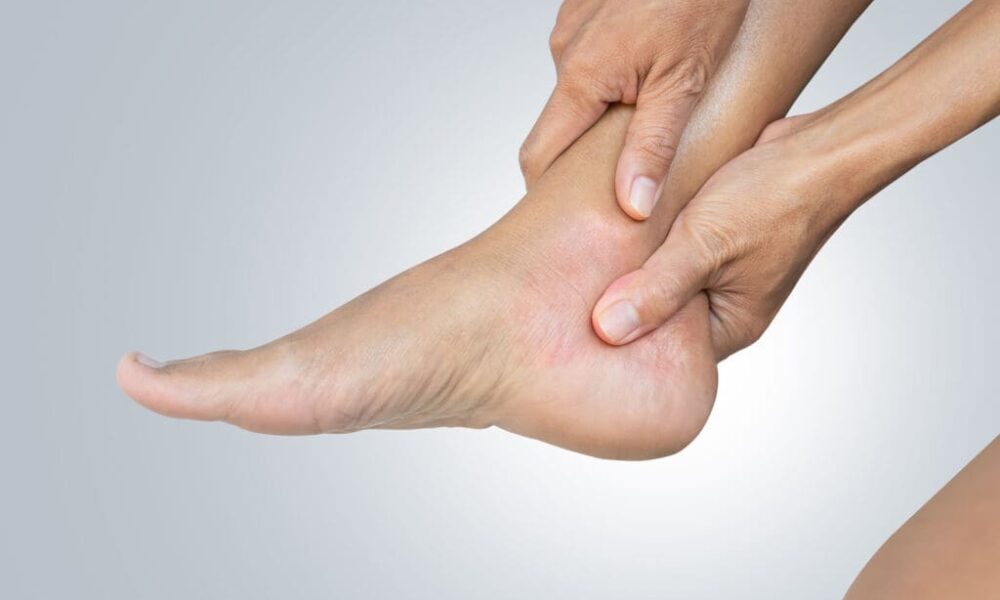
- Pain or stiffness above the heel
- Pain that worsens with activity
- Tenderness when the tendon is pressed
- Swelling or thickening of the tendon
- Morning stiffness that improves with movement
Tendon Tear / Rupture
- Sharp, sudden pain (feels like being kicked in the back of the leg)
- Popping or snapping sound
- Swelling and bruising
- Difficulty walking or standing on toes
- Loss of strength in the foot
Diagnosis
A doctor may perform:
| Test | Purpose |
| Physical Examination | Check pain, swelling, and flexibility |
| Ultrasound | Shows inflammation and tears |
| MRI | Detects partial or complete tendon rupture |
| X-ray | Checks for heel spurs or bone issues |
Treatment Options
1] Home Treatment (Early Stage)
- Rest and reduced activity
- Ice the area for 15–20 minutes several times daily
- Elevate the foot to reduce swelling
- Over-the-counter NSAIDs (e.g., ibuprofen)
- Supportive shoes / heel lift inserts
2] Medical Treatment
- Physical therapy (strengthening + stretching)
- Orthotic supports for flat feet
- Night splints
- PRP (Platelet-Rich Plasma) injections (may help healing)
- Shockwave therapy (in chronic cases)
3] Surgery (If severe or after 6–12 months failed therapy)
- Removal of damaged tissue
- Repair of tendon rupture
- Gastrocnemius recession (calf muscle lengthening surgery)
Effective Rehabilitation Exercises (Under Therapist Guidance)
Calf Stretch
- Lean into a wall, one leg back, heel flat.
- Hold 10–30 seconds, repeat 10–15 times.
Eccentric Heel Drops
- Stand on a step, raise heels, lower slowly.
- Do slowly to avoid strain.
Potential Complications
- Chronic pain
- Reduced ankle strength and flexibility
- Tendon thickening or nodules
- Complete tendon rupture requiring surgery
Prevention Tips
- Warm up before exercise
- Stretch calves daily
- Increase training intensity gradually
- Avoid worn-out running shoes
- Choose footwear with heel and arch support
- Cross-train with low-impact sports like swimming or cycling
Prognosis
Most patients recover fully with early treatment and proper rehabilitation. Chronic or untreated tendonitis increases risk of rupture.
For Detailed Guides and Health Articles Visit: https://healthcaretipshub.com/

Other Articles

About Acute Lymphocytic Leukemia (ALL)