
Alveolar Capillary Dysplasia (ACDMPV): Causes, Symptoms, Diagnosis & Treatment
Alveolar Capillary Dysplasia with Misalignment of Pulmonary Veins: Latest Research & Survival Options
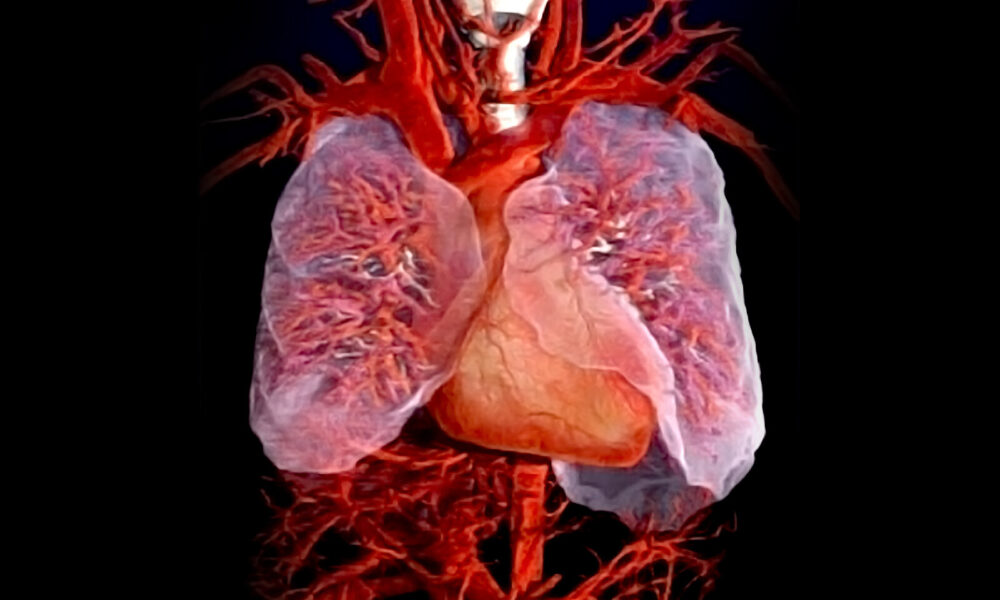
Alveolar Capillary Dysplasia with Misalignment of Pulmonary Veins (ACDMPV) is a rare and severe congenital lung disorder that affects the structure and function of the lungs in newborns. The condition is characterized by abnormal development of the alveoli (air sacs) and reduced or mispositioned capillaries, the tiny blood vessels responsible for oxygen exchange. Because gas exchange is impaired, the infant’s body does not receive enough oxygen, leading to severe respiratory failure shortly after birth.
How The Lungs Are Affected
In healthy lungs, each alveolus is surrounded by a dense network of capillaries that allow oxygen to enter the blood and carbon dioxide to exit.
In ACDMPV:
- The number of capillaries is significantly reduced
- Existing capillaries are not located close enough to the alveolar surface
- Pulmonary veins may be incorrectly aligned alongside pulmonary arteries
- The arterial walls are often abnormally thickened, causing pulmonary hypertension
This combination severely limits oxygen exchange and forces the heart to pump harder, often resulting in life-threatening respiratory distress.
Signs & Symptoms
Most infants with ACDMPV appear healthy at birth but develop symptoms within the first 24–48 hours:
- Rapid or difficult breathing
- Cyanosis (blue-colored skin due to low oxygen)
- Severe pulmonary hypertension
- Poor response to oxygen therapy or ventilators
Up to 80% of affected infants may also have other congenital abnormalities involving:
- The heart
- Intestinal system
- Kidneys
- Urinary or reproductive organs
- Skeletal system
Rarely, atypical or late-onset cases may present later during infancy or early childhood with milder respiratory symptoms.
Causes and Genetics
Most cases are linked to mutations or deletions involving the FOXF1 gene located on chromosome 16q24.1.
FOXF1 is a transcription factor critical for:
- Lung blood vessel development
- Alveolar formation
- Gastrointestinal tract development
In most cases, ACDMPV occurs sporadically (not inherited). However, rare familial cases have been reported.
Differential Diagnosis
Conditions that may appear similar include:
- Persistent Pulmonary Hypertension of the Newborn (PPHN)
- Congenital diaphragmatic hernia
- Surfactant protein deficiencies
- Neonatal pneumonia or sepsis
- Congenital cardiopulmonary malformations
Unlike other conditions, ACDMPV does not improve with standard respiratory or vasodilator therapies.
Diagnosis
ACDMPV should be suspected when a newborn:
- Develops severe oxygenation failure
- Does not respond to therapies like inhaled nitric oxide, ECMO, or high-frequency ventilation
- Has other congenital organ anomalies
Definitive diagnosis requires:
- Lung biopsy (in surviving infants) or
- Autopsy examination
Pathological hallmarks include:
- Reduced capillary density
- Thickened alveolar walls
- Misalignment of pulmonary veins
Genetic testing for FOXF1 mutations can support diagnosis.
Treatment
There is no cure currently. Supportive treatments may temporarily improve oxygenation but do not reverse the disease:
- Mechanical ventilation
- High oxygen therapy
- Inhaled nitric oxide
- ECMO support
Lung transplantation is the only potential long-term treatment option and may be successful in atypical or late-presenting cases that survive long enough.
Several infants who received bilateral lung transplants have shown survival into childhood, demonstrating that early detection and referral to transplant centers are critical.
Prognosis
Most infants with classic early-onset ACDMPV pass away within the first weeks of life.
However, awareness is increasing, and earlier diagnosis and atypical survival cases are improving the possibilities for transplant-based management.
Important Clarification: ACD vs. ACDMPV
There is a different condition also abbreviated as ACD:
| Condition | Full Name | System Affected | Key Feature |
| ACDMPV | Alveolar Capillary Dysplasia with Misalignment of Pulmonary Veins | Lungs | Causes severe respiratory failure in newborns |
| ACD (Anemia of Chronic Disease) | Anemia due to chronic inflammation or chronic illness | Blood | Causes fatigue, weakness, and low red blood cell count |
These two conditions are completely different.
Anemia of Chronic Disease (Brief Update)
ACD occurs in people with chronic inflammatory conditions such as:
- Rheumatoid arthritis
- Chronic kidney disease
- Cancer
- Chronic infections (e.g., HIV, tuberculosis)
Symptoms include fatigue, dizziness, weakness, and shortness of breath.
Treatment focuses on the underlying condition, and iron is not recommended unless iron deficiency is confirmed.
In severe cases, Erythropoietin-Stimulating Agents (ESAs) or blood transfusion may be needed.
For Detailed Guides and Health Articles Visit: https://healthcaretipshub.com/

Other Articles

What Is Ayurveda?
Dental Professional Educating Youthful Clients