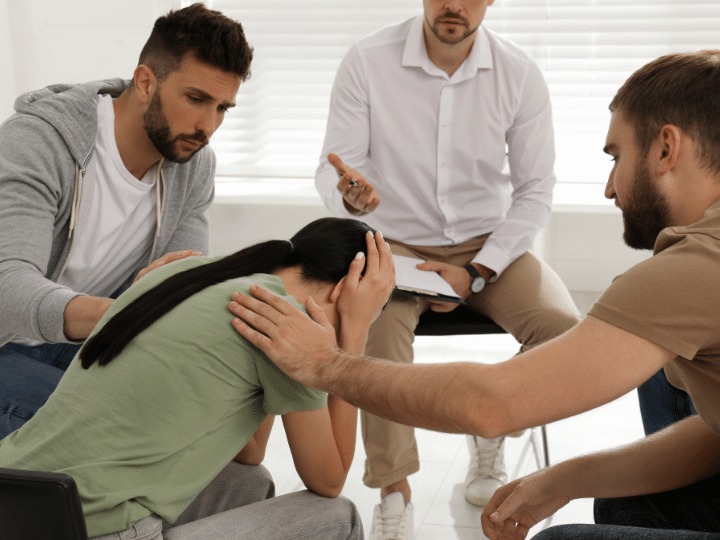

What Is Addiction? Causes, Symptoms & Treatment
Addiction and Substance Use Disorder: A Complete Overview
Learn what addiction is, how it affects the brain, common causes, warning signs, and available treatment options. Updated 2025 information on substance use disorder and recovery.
What Is Addiction?
Addiction is a chronic, complex condition where an individual compulsively uses a substance or engages in a behavior despite harmful consequences. It can involve drugs, alcohol, nicotine, gambling, sex, shopping, internet use, or other rewards that stimulate the brain’s pleasure system. Over time, addiction affects the brain’s structure and function, making it difficult for the person to control their actions.
Addiction is not a sign of weakness, lack of willpower, or poor character. It is recognized as a brain disorder that changes judgment, decision-making, emotional regulation, and impulse control.
How Addiction Affects the Brain
When a person uses an addictive substance or activity, the brain releases large amounts of dopamine, a chemical that creates feelings of pleasure and reward. Repeated exposure changes the brain’s wiring:
- The brain starts needing more of the substance to feel the same pleasure (tolerance).
- The body becomes dependent, and stopping causes withdrawal.
- The person loses control, using even when they know it is harmful.
These changes can last long after someone stops using, which is why relapse can occur.
Physical vs Behavioral Addiction
| Type | Example | What Happens |
| Physical Addiction | Alcohol, nicotine, opioids | The body becomes dependent; withdrawal occurs when stopped |
| Behavioral Addiction | Gambling, gaming, shopping | The behavior triggers emotional relief or reward that becomes hard to control |
Both forms involve compulsion, cravings, and loss of control.
Common Causes and Risk Factors
Addiction usually results from a combination of:
- Genetics – Family history increases risk.
- Environment – Peer influence, stress, trauma, or easy access to substances.
- Mental Health Conditions – Anxiety, depression, PTSD, ADHD increase vulnerability.
- Brain Chemistry – Some individuals are more sensitive to dopamine reward systems.
Why People Start Using Substances
- To feel pleasure or euphoria
- To escape stress, anxiety, or emotional pain
- To improve performance or confidence
- Curiosity and peer pressure (especially in teenagers)
Signs and Symptoms of Addiction
The 4 Cs Model
- Craving the substance or behavior
- Loss of Control over use
- Compulsion to continue
- Use Despite Consequences
Other Warning Signs
- Increasing tolerance
- Withdrawal symptoms when stopping
- Neglecting work, school, health, or relationships
- Spending large amounts of time thinking about or obtaining the substance
Addiction vs Habit
| Habit | Addiction |
| Under personal control | Loss of control |
| Can stop any time | Cannot stop without help |
| No physical/mental dependence | Strong mental or physical dependence |
| Usually harmless | Leads to harmful consequences |
How Is Addiction Treated? (Evidence-Based Treatment)
Effective recovery often includes a combination of:
1] Medical Support
-
- Medications to reduce cravings or withdrawal
- Detox programs
- Hospital-based care for severe cases
2] Therapy and Counseling
-
- Cognitive Behavioral Therapy (CBT)
- Motivational Interviewing
- Family and group therapy
3] Recovery Programs
-
- Rehab centers
- Outpatient programs
- Sober living communities
- Support groups (AA, NA, SMART Recovery)
4] Lifestyle and Social Support
-
- Stress management
- Healthy routines
- Avoiding triggers
- Building supportive relationships
Recovery is a long-term process, but millions of people successfully regain control over their lives.
For Detailed Guides and Health Articles Visit: https://healthcaretipshub.com/

Other Articles
ADD vs ADHD: Updated Symptoms, Causes, Diagnosis & Treatment Guide