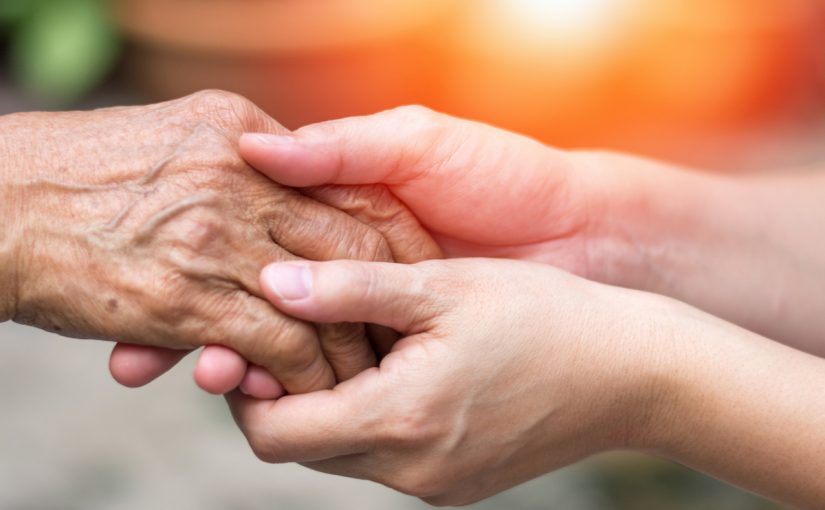
World Elder Abuse Awareness Day: Why It Matters and How We Can Protect Seniors

World Elder Abuse Awareness Day: Why It Matters and How We Can Protect Seniors
World Elder Abuse Awareness Day – History and Purpose
World Elder Abuse Awareness Day is observed every year on June 15 to raise a united global voice against the mistreatment of older adults.
The day was officially recognized by the United Nations General Assembly in December 2011, following the efforts of the International Network for the Prevention of Elder Abuse (INPEA).
The main objective of this day is to bring attention to the challenges faced by senior citizens and to promote dignity, safety, and respect for older adults across the world.
Why Elder Abuse Awareness Is Important
According to the United Nations, about 1 in 6 older people experience some form of abuse, and this number is increasing rapidly as the global population ages.
- In 2015, there were around 900 million people aged 60+
- By 2050, this number is expected to reach 2 billion
Elder abuse is not only a public health issue, but also a human rights concern. It can lead to severe physical injury, mental trauma, long-term disability, and even death.
Forms of Elder Abuse
Elder abuse can appear in many forms:
| Type of Abuse | Description |
| Physical Abuse | Hitting, pushing, restraining, or causing physical injury. |
| Emotional/Psychological Abuse | Insulting, humiliating, threatening, isolating, or manipulating the elder. |
| Financial Abuse | Stealing money, controlling finances, fraud, or misuse of property. |
| Sexual Abuse | Forcing inappropriate sexual contact or conversations without consent. |
| Neglect | Withholding food, medication, personal care, or leaving the elder without supervision. |
Warning Signs of Elder Abuse
Recognizing early signs can save lives. Watch for:
- Frequent bruises, cuts, fractures
- Sudden weight loss or signs of hunger/dehydration
- Poor hygiene or unsafe living conditions
- Fearful, withdrawn, or depressed behavior
- Missing money, unpaid bills, or unexplained financial transactions
Sometimes, caregivers may show warning behaviors such as:
- Preventing others from speaking to the elder alone
- Showing anger, frustration, or treating the elder as a burden
- History of substance abuse or mental health issues
Who Is at Higher Risk?
At-Risk Older Adults
Those who:
- Have dementia or memory issues
- Live alone or are socially isolated
- Are physically disabled
- Are dependent on others for daily care
At-Risk Caregivers
Those who:
- Are overwhelmed or stressed
- Have financial problems
- Misuse drugs or alcohol
- Rely on the elder for income or housing
How to Prevent Elder Abuse
Healthcare Professionals
Doctors, nurses, and social workers should:
- Screen patients regularly for signs of abuse
- Report suspected cases to legal or protective authorities
Law Enforcement and Government
- Strengthen elder protection laws
- Train police and legal professionals to handle elder abuse cases effectively
Communities & Families
- Visit and check on older adults regularly
- Encourage open conversations
- Provide caregiver support programs
You Can Help Too
- Donate to organizations supporting senior welfare
- Volunteer at elderly care centers or retirement homes
- Spend time with older family members and show respect, love, and patience
Conclusion
World Elder Abuse Awareness Day reminds us that every older adult deserves to live with dignity, respect, love, and safety.
As the global population continues to age, it becomes more important than ever to protect senior citizens from neglect, exploitation, and abuse.
By raising awareness, supporting senior care, and speaking out against injustice, we can help build a world where older adults feel valued and protected.

Other Articles

Smile Power Day
You Should Know about Super-P-Force?