



Adult Vaccines Guide – Which Vaccines Adults Need by Age and Health Condition
Learn which adult vaccines you need by age, health condition, travel, and lifestyle. Discover CDC-recommended immunizations for flu, shingles, Tdap, RSV, pneumonia, HPV, MMR, hepatitis, and more.
Adult Vaccines – Which Vaccines Adults Need to Stay Protected at Every Age
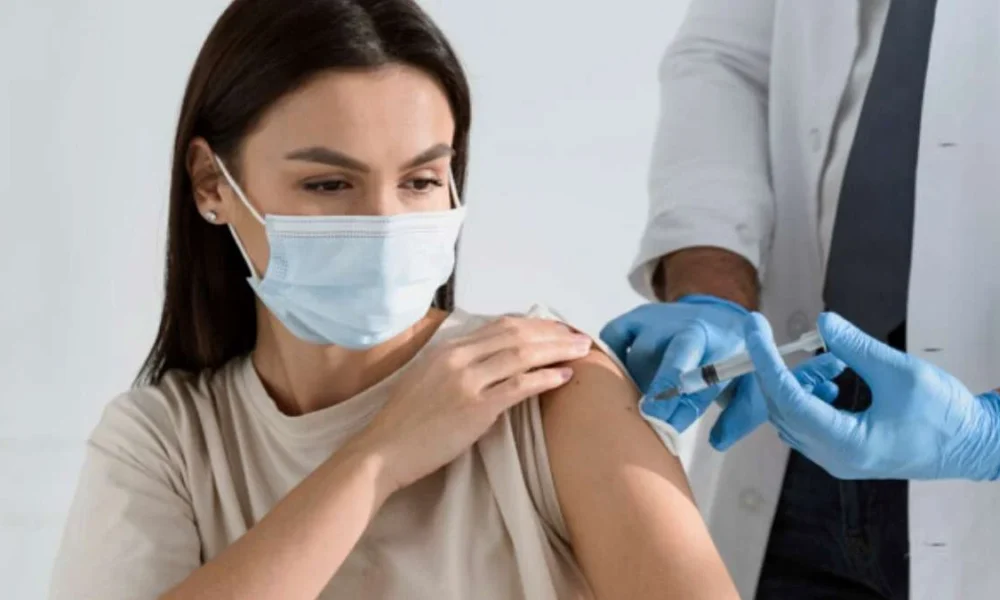
Vaccines are not just for children. Adult vaccines play a major role in protecting your health, reducing the risk of serious infections, and helping you avoid hospitalization, missed work, and long-term complications.
Many adults assume that once childhood vaccines are complete, they are protected for life. But that is not always true. Immunity can fade over time, some vaccines are only recommended later in life, and new vaccines may now be available that did not exist when you were younger.
If you are wondering which vaccines adults need, this complete guide explains the most important immunizations by age, health condition, travel needs, and lifestyle risk factors.
Medical disclaimer: This article is for educational purposes only and does not replace medical advice. Vaccine recommendations can vary by country, age, pregnancy status, medical conditions, immune status, and travel plans. Always confirm your vaccine schedule with a licensed healthcare provider.
Why Adult Vaccines Matter
Vaccines help protect adults from infections that can become serious or even life-threatening. They also help reduce the spread of disease to people who may be more vulnerable, including:
- newborn babies
- older adults
- pregnant women
- people with weakened immune systems
- those living with chronic illnesses
This is sometimes called community immunity, where vaccination helps protect both the individual and the wider community.
Vaccination is especially important because:
- childhood vaccine protection can wear off
- some diseases become more dangerous with age
- certain jobs, travel, or health conditions increase your risk
- viruses like flu and COVID-19 can change over time
- newer vaccines may not have been available when you were younger
Quick Answer: What Vaccines Do Adults Need?
Most adults should stay up to date on these vaccines:
- Flu vaccine (every year)
- COVID-19 vaccine (as currently recommended)
- Tdap/Td vaccine (tetanus, diphtheria, pertussis)
- Shingles vaccine
- Pneumococcal vaccine
- RSV vaccine (for eligible older adults)
- Hepatitis A and B vaccines
- HPV vaccine
- MMR vaccine
- Chickenpox (Varicella) vaccine
- Meningococcal vaccine (for certain adults)
- Mpox vaccine (for specific risk groups)
The right vaccine schedule depends on your age, medical history, pregnancy, work exposure, immune system, and travel plans. CDC’s 2026 adult immunization schedule also emphasizes updated COVID-19 vaccination, routine flu vaccination, broader pneumococcal recommendations for adults 50+, shingles vaccination for adults 50+, and RSV vaccination for certain older or high-risk adults.
How to Know Which Vaccines You’ve Already Had
If you are unsure about your vaccination history, try these steps:
1] Ask your current or previous doctor
Many clinics keep immunization records for years.
2] Check your state or regional vaccine registry
Some health departments maintain immunization databases.
3] Look for school, college, or work records
Many employers and universities require vaccine proof.
4] Ask your doctor if revaccination is needed
If your records cannot be found, your doctor may recommend repeating certain vaccines safely.
In many cases, it is better to catch up than to stay unprotected.
Adult Vaccines by Age Group
Vaccines for Adults Ages 19–26
Many adults in this age group may need:
- annual flu vaccine
- COVID-19 vaccine
- Tdap/Td
- HPV vaccine
- MMR
- Chickenpox
- Hepatitis A/B
- meningococcal vaccine if indicated
Vaccines for Adults Ages 27–49
Adults in this group should stay current with:
- Flu
- COVID-19
- Tdap/Td
- Hepatitis vaccines
- MMR or Varicella if not immune
- HPV based on age and shared decision-making
Vaccines for Adults Ages 50–64
This age group should especially review:
- Flu
- COVID-19
- Shingles
- Pneumococcal
- Tdap/Td
- RSV if at increased risk
- Hepatitis A/B if indicated
CDC now recommends pneumococcal vaccination for all adults age 50 and older who have never received a pneumococcal conjugate vaccine or whose history is unknown.
Vaccines for Adults Age 65 and Older
Older adults often need the strongest preventive protection, especially against respiratory infections and complications.
Important vaccines include:
- Flu
- COVID-19
- Shingles
- Pneumococcal
- RSV
- Tdap/Td
Most Important Adult Vaccines Explained
1] Flu Vaccine (Influenza Vaccine)
The flu shot is one of the most important vaccines for adults. Influenza can lead to:
- high fever
- severe fatigue
- pneumonia
- hospitalization
- worsening of chronic conditions like asthma, heart disease, or diabetes
Who should get it?
Almost all adults should get a flu vaccine every year, especially:
- adults over 65
- pregnant women
- people with chronic health conditions
- healthcare workers
Why yearly?
Flu viruses change frequently, so the vaccine is updated every season.
Best time to get it
Usually late August through October, before flu season peaks.
2] COVID-19 Vaccine
COVID-19 remains an important adult vaccine because protection can decrease over time and updated vaccines are designed to better match circulating variants.
Who should get it?
Most adults should remain up to date according to the latest public health guidance, especially:
- older adults
- pregnant women
- people with chronic conditions
- immunocompromised individuals
Why it matters
COVID-19 can still lead to:
- severe respiratory illness
- hospitalization
- long COVID
- complications in high-risk adults
3] Tdap / Td Vaccine
Tdap protects against:
- Tetanus
- Diphtheria
- Pertussis (Whooping Cough)
Who should get it?
Every adult should receive:
- one Tdap dose if they never got it as an adolescent or adult
- then a Td or Tdap booster every 10 years
Why it matters
Tetanus can enter the body through cuts or wounds, while pertussis can be especially dangerous for babies and older adults.
Pregnancy note
Pregnant women are usually advised to receive Tdap during each pregnancy, typically in the third trimester, to help protect newborns.
4] Shingles Vaccine
Shingles is caused by reactivation of the same virus that causes chickenpox. It can cause:
- painful rash
- nerve pain
- long-term complications like postherpetic neuralgia
Who should get it?
CDC recommends Shingrix for:
- all adults 50 and older
- adults 19+ with weakened immune systems
How is it given?
It is a 2-dose vaccine, usually separated by 2 to 6 months.
Shingrix remains the standard shingles vaccine recommendation and is highly effective at preventing shingles and its most painful complication.
5] Pneumococcal Vaccine (Pneumonia Vaccine)
Pneumococcal bacteria can cause:
- pneumonia
- bloodstream infections
- meningitis
- serious illness in older adults and people with chronic conditions
Who should get it?
Adults may need this vaccine if they:
- are 50 or older
- have asthma, diabetes, heart, lung, liver, or kidney disease
- smoke
- have HIV or a weakened immune system
- have a cochlear implant or cerebrospinal fluid leak
- have had a spleen removed
Which vaccines are used?
Current adult options include:
- PCV15
- PCV20
- PCV21
- PPSV23 (in certain schedules)
If PCV20 or PCV21 is used, no PPSV23 is needed afterward. If PCV15 is used, it should generally be followed by PPSV23 later.
6] RSV Vaccine
RSV (Respiratory Syncytial Virus) is not just a childhood infection. In adults — especially older adults — RSV can lead to:
- bronchitis
- pneumonia
- hospitalization
- severe respiratory illness
Who should get it?
CDC recommends RSV vaccine for:
- all adults 75 and older
- adults 50–74 at increased risk of severe RSV illness
Important note
The RSV vaccine is not currently annual. If you have already received it, you usually do not need another dose right now.
RSV has become one of the most important newer adult vaccines, especially for older adults and people with chronic lung or heart disease.
7] Hepatitis A and Hepatitis B Vaccines
Hepatitis A and B are viral infections that affect the liver.
Who should get them?
These vaccines are especially important for adults who:
- travel internationally
- work in healthcare
- have chronic liver disease
- use injectable drugs
- have higher-risk sexual exposure
- live with or care for someone with hepatitis
How are they given?
- Hepatitis A: usually 2 doses
- Hepatitis B: usually 2 or 3 doses, depending on the vaccine
- some people may receive a combined Hep A + Hep B vaccine
8] HPV Vaccine
HPV (Human Papillomavirus) can cause:
- cervical cancer
- anal cancer
- throat cancer
- penile cancer
- genital warts
Who should get it?
HPV vaccine is most effective when given earlier, but adults may still benefit.
It may be recommended for:
- adults through age 26
- some adults 27–45 after discussion with a healthcare provider
9] MMR Vaccine (Measles, Mumps, Rubella)
The MMR vaccine protects against three highly contagious infections.
Who may need it?
Adults who may need MMR include:
- people born in 1957 or later without proof of immunity
- college students
- teachers
- healthcare workers
- international travelers
- women planning pregnancy who are not immune to rubella
Who should avoid it?
MMR is a live vaccine, so it is generally avoided during pregnancy and in some immunocompromised individuals.
10] Chickenpox (Varicella) Vaccine
Adults who never had chickenpox or were never vaccinated may still need protection.
Who should consider it?
Adults at higher need include:
- healthcare workers
- teachers
- childcare workers
- military personnel
- international travelers
- women of childbearing age (if not pregnant)
How is it given?
Usually 2 doses, spaced apart.
11] Meningococcal Vaccine
Meningococcal disease can cause severe bloodstream infection or meningitis.
Adults who may need it
This vaccine is recommended for certain adults, including:
- college students living in dorms
- military recruits
- people with certain immune system conditions
- travelers to high-risk regions
- people without a functioning spleen
Some adults may also need MenB vaccine depending on risk.
12] Mpox Vaccine
The mpox vaccine is not for all adults, but it may be recommended for specific higher-risk groups based on exposure or sexual health risk factors.
Who may need it?
Adults should discuss mpox vaccination with a healthcare provider if they are in a group with elevated exposure risk or if local public health guidance recommends it.
Adult Vaccines for Pregnancy
Pregnancy is a special time when certain vaccines help protect both mother and baby.
Vaccines commonly discussed during pregnancy include:
- Flu vaccine
- Tdap
- COVID-19 vaccine
- in some cases, maternal RSV vaccine (depending on timing and current recommendations)
Always confirm pregnancy-related vaccination with your obstetrician or doctor.
Can Adults Get Vaccines If They Have Health Conditions?
Yes — and in many cases, vaccines are even more important for adults with health conditions.
You may need special vaccine planning if you have:
- diabetes
- asthma
- heart disease
- kidney disease
- liver disease
- HIV
- cancer
- immune suppression
- organ transplant history
These conditions can increase the risk of serious infection, so a personalized vaccine review is a smart preventive step.
Are Adult Vaccines Safe?
Yes, adult vaccines used in routine care are carefully studied and monitored for safety.
Like all medical products, they can have side effects, but most are mild and temporary, such as:
- arm soreness
- fatigue
- mild fever
- body aches
- headache
Severe allergic reactions are rare, but anyone with a history of vaccine allergy should discuss this with a healthcare provider before vaccination.
How to Stay Up to Date on Adult Vaccines
A simple adult vaccine checklist includes:
- schedule a yearly wellness exam
- bring your vaccine history if available
- ask your doctor or pharmacist what you need
- review vaccines before travel
- check vaccines before pregnancy
- stay current with age-based updates after 50 and 65
Vaccination is one of the easiest preventive steps you can take for long-term health.
Final Thoughts
Adult vaccines are one of the most effective ways to protect your health as you age. Whether you are 25, 45, or 75, staying current with immunizations can help reduce your risk of severe infections, hospital stays, and long-term complications.
The best approach is not to guess — it is to review your vaccine status with a healthcare provider and build a personalized prevention plan.
A few shots now can save a lot of trouble later. That is not just good medicine — it is good life planning.
FAQ: Adult Vaccines
1] Which vaccines do adults need every year?
Most adults should get the flu vaccine every year. Many adults also need to stay current with COVID-19 vaccination based on current recommendations.
2] At what age should adults get the shingles vaccine?
Most adults should get the shingles vaccine at age 50 or older.
3] Do adults need a tetanus shot?
Yes. Adults should get a Td or Tdap booster every 10 years.
4] Do adults need the pneumonia vaccine?
Many do. Pneumococcal vaccine is now recommended for all adults age 50 and older, and for younger adults with certain health conditions.
5] Is the RSV vaccine recommended for adults?
Yes, for adults 75+ and adults 50–74 at higher risk for severe RSV.
6] Can adults get vaccines if they do not know their vaccine history?
Yes. If records are missing, a doctor may recommend repeating or catching up on certain vaccines safely.
7] Are vaccines safe for older adults?
Yes, most routine adult vaccines are considered safe and are especially important in older age.
For trust-building and medical accuracy, link to:

Other Articles
What Is Allergy to Natural Rubber (Latex)?
What Is Aloe Vera?