




Agammaglobulinemia: Symptoms, Causes, Diagnosis & Treatment
Learn about agammaglobulinemia, a rare immune disorder causing recurrent infections. Discover symptoms, causes, diagnosis, treatment, and FAQs.
Agammaglobulinemia: Symptoms, Causes, Diagnosis, Treatment, and Living With This Rare Immune Disorder
Agammaglobulinemia is a rare but serious primary immunodeficiency disorder in which the body cannot make enough antibodies to fight infections. People with this condition often experience recurrent ear infections, sinus infections, pneumonia, skin infections, and gastrointestinal illnesses, especially starting in infancy or early childhood.
Although the condition is uncommon, early diagnosis and proper treatment can make a major difference in long-term health and quality of life.
In this guide, we’ll explain what agammaglobulinemia is, its symptoms, causes, types, diagnosis, treatment options, and prognosis, in a clear and easy-to-understand way.
What Is Agammaglobulinemia?
Agammaglobulinemia is a condition where the body has very low or absent levels of immunoglobulins (antibodies) in the blood.
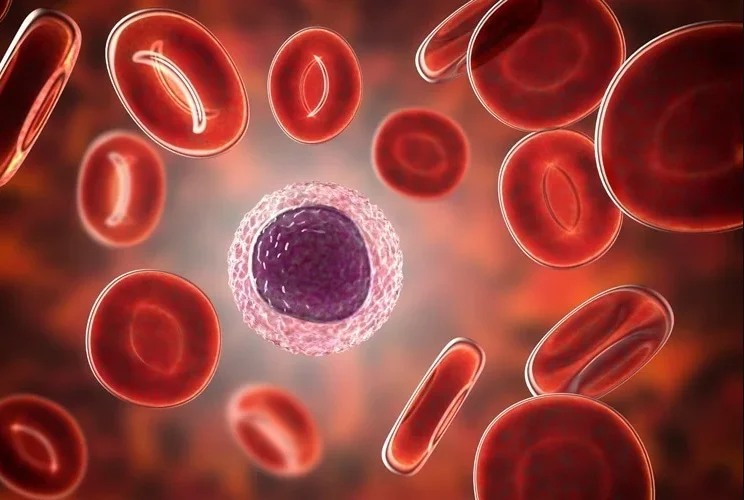
Antibodies are protective proteins produced by B lymphocytes (B cells). Their job is to identify and fight harmful bacteria, viruses, and other germs. When the body cannot make enough antibodies, infections become more frequent, severe, and difficult to control.
This condition is part of a broader group of disorders known as primary immunodeficiency diseases (PI).
In simple terms:
People with agammaglobulinemia have an immune system that cannot properly defend itself against many infections.
Why Antibodies Matter
Your immune system depends on antibodies to:
- Recognize harmful germs
- Neutralize bacteria and viruses
- Prevent infections from spreading
- Help the body “remember” past infections
Without enough antibodies, even common infections can become dangerous.
Types of Agammaglobulinemia
Agammaglobulinemia is not just one disease. It includes several forms depending on the genetic cause.
1] X-Linked Agammaglobulinemia (XLA)
This is the most common and best-known form of agammaglobulinemia.
It is caused by mutations in the BTK (Bruton tyrosine kinase) gene, which is needed for normal B-cell development.
Because the faulty gene is located on the X chromosome, XLA mainly affects boys and men.
It is also known as:
- Bruton’s Agammaglobulinemia
- Congenital Agammaglobulinemia
2] Autosomal Recessive Agammaglobulinemia (ARA)
This rarer form can affect both boys and girls.
It occurs when mutations in genes other than BTK interfere with B-cell development. Some of these genes include:
- IGHM
- IGLL1
- CD79A
- CD79B
- BLNK
Although genetically different, the symptoms are often very similar to XLA.
3] Hypogammaglobulinemia and Related Conditions
Some people may not have a complete absence of antibodies but still have abnormally low levels, known as hypogammaglobulinemia.
This can overlap with conditions such as:
- Common Variable Immunodeficiency (CVID)
- IgA deficiency
- IgG subclass deficiency
- Hyper-IgM syndrome
These disorders may look similar and often require careful medical evaluation.
Agammaglobulinemia Symptoms
The hallmark of agammaglobulinemia is repeated or severe infections.
Common Symptoms of Agammaglobulinemia
People with this disorder may develop:
- Frequent ear infections (otitis media)
- Recurrent sinus infections
- Repeated bronchitis
- Pneumonia
- Persistent cough
- Skin infections
- Gastrointestinal infections
- Chronic or recurring diarrhea
- Poor growth in infants or children
- Fatigue due to repeated illness
More Serious Symptoms
In some cases, infections can spread deeper into the body and cause:
- Bloodstream infections
- Joint infections
- Bone infections
- Meningitis
- Brain infections
Because the immune system is weakened, common bacteria and certain viruses can cause unusually severe disease.
Typical Early Signs in Children
Symptoms often begin after 6 to 18 months of age.
Why not right after birth? Because babies are temporarily protected by maternal antibodies passed during pregnancy. Once those antibodies fade, infections begin to appear.
Clues parents and doctors may notice:
- Repeated infections that keep coming back
- Very small tonsils
- Very small or absent lymph nodes
- Slow recovery from common illnesses
What Causes Agammaglobulinemia?
Agammaglobulinemia is caused by genetic mutations that stop immature B cells from developing into mature B cells and plasma cells.
Without mature B cells, the body cannot produce enough:
- IgG
- IgA
- IgM
These are the main antibody types needed for immune defense.
The BTK Gene and XLA
In X-linked agammaglobulinemia, the problem lies in the BTK gene.
The BTK protein plays an essential role in the early stages of B-cell development inside the bone marrow. When this protein is missing or defective, B cells stop developing too early.
As a result, the body is left with:
- Very few or no mature B cells
- Very low antibody levels
- Poor protection against infection
How Is Agammaglobulinemia Diagnosed?
Early diagnosis is extremely important because untreated infections can lead to lung damage, chronic illness, and long-term complications.
Doctors usually suspect agammaglobulinemia in a child or adult who has:
- Frequent bacterial infections
- Low immunoglobulin levels
- Small or absent tonsils
- Low or absent B cells
Tests Used to Diagnose Agammaglobulinemia
1] Blood Tests
Doctors usually begin with blood work to check:
- IgG
- IgA
- IgM
In most cases, these are very low or absent.
2] B-Cell Count
A specialized blood test measures the number of B lymphocytes.
A very low or nearly absent B-cell count is one of the strongest clues.
3] Genetic Testing
Genetic testing can confirm the diagnosis by looking for mutations in:
- BTK (for XLA)
- Other genes linked to autosomal recessive forms
4] Additional Evaluation
Doctors may also use:
- Infection history review
- Family history
- Immune system testing
- Sometimes imaging or specialist referrals
Treatment for Agammaglobulinemia
There is no permanent cure yet, but modern treatment can help many people live healthier and longer lives.
The main goal is to replace missing antibodies and prevent infections.
1] Immunoglobulin Replacement Therapy
This is the standard treatment for agammaglobulinemia.
It provides the body with antibodies collected from healthy donors.
It can be given as:
- IVIG (Intravenous Immunoglobulin) – through a vein
- SCIG (Subcutaneous Immunoglobulin) – under the skin
This therapy helps:
- Reduce the number of infections
- Lower the risk of hospitalization
- Improve daily quality of life
- Protect the lungs and other organs over time
For many patients, this treatment is lifelong.
2] Antibiotics
Antibiotics are used to treat infections quickly and aggressively.
Some people may also need preventive antibiotics to reduce the risk of repeated infections.
3] Monitoring and Supportive Care
Long-term care may also include:
- Lung monitoring
- Sinus and ear care
- Gastrointestinal treatment
- Nutrition support
- Regular visits with an immunologist
Living With Agammaglobulinemia
A diagnosis of agammaglobulinemia can feel overwhelming, but many patients do well with proper medical care.
Daily Lifestyle Tips
People with agammaglobulinemia should:
- Keep all specialist appointments
- Report infections early
- Practice good hand hygiene
- Avoid close contact with sick people
- Follow their immunologist’s advice about vaccines
- Stay consistent with immunoglobulin therapy
Can Adults Have Agammaglobulinemia?
Yes. Although it is usually diagnosed in childhood, some people are not diagnosed until adolescence or adulthood, especially if symptoms are mild or misdiagnosed for years.
Adults may experience:
- Chronic sinus infections
- Repeated bronchitis
- Pneumonia
- Ongoing fatigue
- Digestive issues
If someone has had unexplained recurrent infections for years, immune testing may be worth discussing with a doctor.
Complications of Agammaglobulinemia
Without treatment, complications can become serious.
Possible long-term issues include:
- Chronic lung disease
- Bronchiectasis
- Joint infections
- Neurologic infections
- Poor growth in children
- Recurrent gastrointestinal disease
This is why early diagnosis and regular treatment are critical.
When to See a Doctor
You should speak with a healthcare professional if you or your child has:
- Frequent ear, sinus, or chest infections
- Repeated need for antibiotics
- Unusual infections
- Poor recovery from illness
- Family history of immune disorders
- Very small tonsils or lymph nodes with repeated infections
Early evaluation can prevent years of complications.
Final Thoughts
Agammaglobulinemia is a rare but important immune disorder that affects the body’s ability to produce infection-fighting antibodies. Whether it is X-linked agammaglobulinemia (XLA) or a rarer inherited form, the result is often the same: recurrent infections and a weakened immune defense.
The good news is that with timely diagnosis, immunoglobulin replacement therapy, infection prevention, and specialist care, many people with agammaglobulinemia can live active, meaningful lives.
If you suspect repeated infections are more than “just bad luck,” it may be worth asking your doctor whether an immune deficiency evaluation is needed.
FAQ: Agammaglobulinemia
1] What is agammaglobulinemia?
Agammaglobulinemia is a rare immune disorder in which the body has very low or absent antibodies, making infections more common and severe.
2] Is agammaglobulinemia genetic?
Yes. Most forms are inherited and caused by mutations in genes involved in B-cell development, especially the BTK gene in X-linked agammaglobulinemia.
3] What are the first signs of agammaglobulinemia?
The earliest signs often include repeated ear infections, sinus infections, pneumonia, and chronic respiratory illness, usually starting after 6 months of age.
4] Can agammaglobulinemia be cured?
There is currently no cure, but immunoglobulin replacement therapy and infection management can control symptoms very effectively.
5] Can females get agammaglobulinemia?
Yes. While XLA mostly affects males, autosomal recessive forms can affect females as well.
6] What doctor treats agammaglobulinemia?
A clinical immunologist or immunology specialist is usually the best doctor to manage diagnosis and treatment.
Use trusted references like:

Other Articles
What Is Congenital Afibrinogenemia?